The Relevance of Premium Cognitive Support Options for Households
Quality dementia support programs serve as an essential role for families dealing with the complexities of dementia. These programs offer customized assistance that meets both the needs of residents and their caregivers. By facilitating security, well-being, and emotional connections, quality care works to reduce loneliness. However, not all memory care facilities are created equal. Understanding what to look for can greatly impact the health of those affected. What important aspects should families focus on?
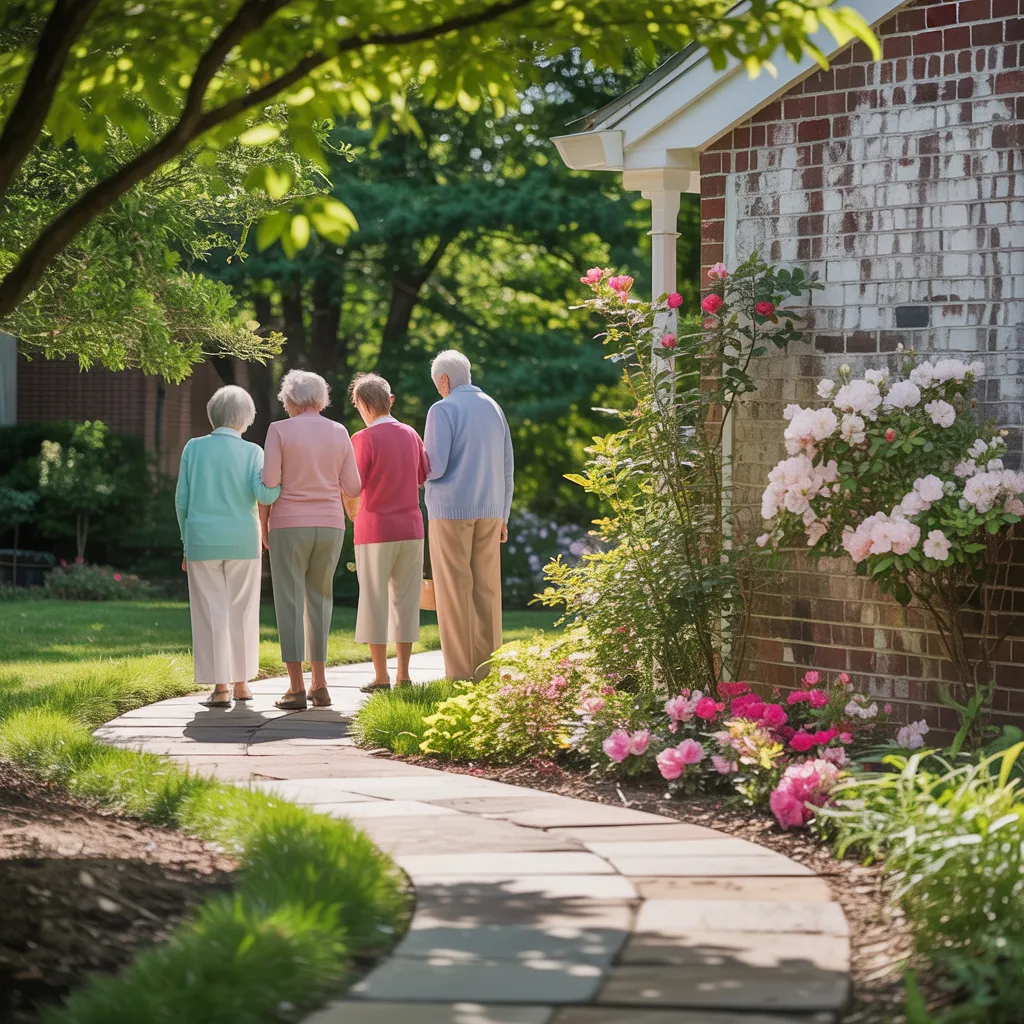
Dementia: Difficulties and Remedies
Dementia represents a complex array of hurdles for people, families, and caregivers alike. The cognitive decline associated with dementia affects memory, reasoning, and daily functioning, hampering routine tasks and increasing reliance on others. Families frequently grapple with the psychological strain of witnessing their loved ones' deterioration, leading to feelings of helplessness and frustration. Caregivers face the burden of managing physical care while steering through the unpredictable behaviors connected to the condition.
To handle these obstacles, premium dementia care programs provide organized settings created to enhance the quality of life for people suffering from dementia. Such services generally include expert instruction for personnel, tailored activity programs, and therapeutic interventions intended at preserving cognitive function. Furthermore, these establishments offer relief for loved ones, enabling them to recharge while ensuring their family members get suitable support. In the end, successful approaches can considerably reduce the burdens associated with dementia, creating a supportive atmosphere for all involved.
Emotional Support for Family Members
Supporting a loved one with intellectual deterioration can place significant emotional strain on family units. The demands of constant care duties typically leads to sensations of loneliness, apprehension, and loss. Family members may contend with the progressive deterioration of their family member's character traits, fostering a profound sense of sadness. This emotional burden can affect not only the principal care provider but also siblings and extended family, producing damaged ties and elevated conflict.
Getting access to psychological care is necessary for families confronting these hurdles. Support groups, professional guidance, and neighborhood support can deliver an channel for exchanging experiences and learning coping strategies. Partnering with individuals who perceive similar difficulties promotes a community connection and reduces feelings of isolation. At the end of the day, highlighting mental wellness is critical for households, as it enables them to provide empathetic care while also safeguarding their own psychological well-being.
The Advantages of Expert Cognitive Support
Specialized memory care plays an indispensable role in improving the quality of life for individuals facing mental deterioration. These programs are created to address the specific needs of residents with conditions such as Alzheimer's or other forms of dementia. Skilled staff members understand the intricacies of cognitive impairments and implement tailored approaches that promote engagement and comfort.
In a custom environment, residents benefit from regulated routines that assist in reducing anxiety and mental fog. Activities are specifically designed to stimulate cognitive function and encourage social interaction, nurturing a sense of community. In addition, the focus on safety and security guarantees that individuals can inspect their surroundings without avoidable risks.
Families frequently feel assured knowing their loved ones are receiving committed support in a supportive atmosphere. Overall, advanced dementia care not only tackles physical needs but also cultivates emotional well-being, making it a crucial component of care for those facing cognitive decline.
Essential Features to Evaluate in Dementia Care Centers
When considering memory care facilities, what key elements should families emphasize? Principally, safety measures are important. Institutions should offer secure environments that prevent wandering, with features like secured yard areas and monitored entry points. Moreover, attendant-to-resident ratios are critical; higher ratios often signify more personalized care and attention.
Following this, families should copyrightine the qualifications and training of caregivers. Staff members should be trained in dementia care, ensuring they understand the unique needs of residents. Structured programs and activities developed to boost cognitive function and community engagement also serve as a vital component, as they boost standard of living.
In addition, relatives should consider the hygienic standards and overall atmosphere. A pleasant environment can tremendously influence residents' well-being. Finally, clarity about costs and services is essential, allowing relatives to make well-informed choices. By emphasizing these core elements, relatives can select the most appropriate memory care facility for their family members.
How Quality Memory Care Enhances Dignity and Comfort
Top-tier memory care initiatives stress respect and relaxation through bespoke approaches that serve unique preferences. Bespoke service plans, working alongside empathetic staff engagement, develop a supportive climate for occupants. Additionally, protected and engaging surroundings cultivate a connection and wellness, strengthening the overall quality of life.
Bespoke Support Frameworks
Personalized care plans have an essential role in enhancing the dignity and comfort of individuals in memory care facilities. These customized approaches consider each resident's unique history, preferences, and cognitive abilities, ensuring that care is both effective and respectful. By including families in crafting these plans, facilities nurture a collaborative environment that prioritizes the individual’s needs and wishes. This personalization strengthens the sense of identity and autonomy, allowing residents to take part in activities that connect with their past experiences. Additionally, personalized care plans may adapt over time in response to evolving needs and preferences. Such respect for individuality greatly improves quality of life, supporting emotional well-being and a sense of belonging within the care community.
Thoughtful Staff Communication
Effective memory care relies not just on personalized care plans but also on the kind exchanges between staff and residents. These interactions build an climate of trust, critical for those facing memory loss challenges. Compassionate staff members approach each resident with compassion, recognizing their unique histories and emotional needs. By holding meaningful conversations and showing tolerance, these caregivers enhance the self-worth of each individual, making sure they feel valued and understood. This method not only alleviates anxiety but also supports a sense of belonging, crucial for emotional well-being. Ultimately, quality memory care thrives when staff emphasize compassionate engagement, elevating care from a routine task into a nurturing experience that emphasizes comfort and respect.
Protected, Interesting Locations
Creating a safe and engaging environment is crucial for enhancing dignity and comfort in memory care settings. Top-quality memory care centers emphasize secure surroundings, minimizing risks connected to wandering or accidents. Skillfully designed spaces promote independence, allowing residents to navigate freely while feeling safe. Engaging activities, tailored to individual interests, stimulate cognitive function and foster social connections among residents. Such environments support participation, lowering feelings of isolation and enhancing overall well-being. Additionally, the atmosphere should manifest warmth and familiarity, using personal touches that connect with each resident’s history. By combining safety with engagement, memory care services not only copyright the dignity of individuals but also offer a comforting haven where they can thrive despite their challenges.
Social Support and Its Significance in Improving Brain Health Care
Community support plays an essential role in enhancing memory care initiatives by fostering relational bonds and bonding among individuals. Entry to resources within the community can powerfully enhance the quality of care, offering essential tools and information. Additionally, enhanced social engagement opportunities contribute to the overall well-being of those affected by memory challenges.
Emotional Connection and Relating
Emotional ties act as a key element in memory care, building an environment where individuals are made to feel valued and understood. Within memory care environments, community support fosters meaningful bonds among residents, caregivers, and families. These ties not only boost emotional well-being but also foster a sense of belonging. When caregivers interact empathetically with residents, they establish a safe space for sharing feelings and experiences, which helps to reduce feelings of isolation. Furthermore, group activities and social interactions encourage residents to connect with each other, strengthening their sense of identity and purpose. This emotional foundation significantly influences the overall quality of care, as individuals thrive when they feel connected, ultimately resulting in improved cognitive function and a better quality of life.
Materials Availability
Access to resources serves a fundamental role in strengthening memory care services, relying on the strong emotional connections built among residents and caregivers. Community support provides necessary tools and information that support families to make thoughtful decisions about care options. Local organizations often provide educational workshops, respite services, and support groups, which can ease the burden on caregivers and enhance their understanding of dementia-related challenges. Access to certified professionals, such as social workers and therapists, additionally enriches the care experience. Moreover, collaboration with adjacent healthcare facilities ensures that residents receive thorough and coordinated care. Overall, a robust network of community resources cultivates a caring environment that markedly improves the quality of life for individuals with memory impairments and their families.
Advanced Social Networking
How can boosted community participation alter the circumstances of beings with cognitive impairments? Connecting communally within a helpful network offers feelings and thinking advantages that are required for those facing memory issues. Participation in team-based activities fosters connections, lessening feelings of isolation and loneliness. These interactions stimulate cognitive function, preserving existing talents and possibly curtailing intellectual deterioration. Additionally, community support encourages a notion of acceptance, which can greatly improve emotional health and complete satisfaction. Senior care environments that highlight community participation construct atmospheres where people can forge meaningful relationships, elevating life quality. This group-centered approach not only supports residents but also supplies families with peace of mind, trusting their precious family are succeeding in a caring space.
Extended-Term Advantages of Superior Memory Care
While many families may begin by pursuing memory care services primarily for pressing needs, the long-term benefits of quality memory care extend far beyond short-term relief. These services not only provide essential daily assistance but also build a structured environment that encourages cognitive engagement and emotional well-being. Through specialized programs and therapeutic interventions, residents can experience improvements in memory retention and overall mental health.
In addition, quality memory support services promotes a sense of community, curtailing sensations of loneliness and concern often attributed to memory disorders. This supportive atmosphere benefits families by alleviating stress and providing peace of mind, knowing their loved ones are in trustworthy care. Moreover, skilled staff members can furnish ongoing guidance, helping families navigate the complexities of dementia care. Ultimately, putting resources into quality memory support solutions yields significant returns, enhancing the quality of life for both individuals with memory impairments and their families over the long term.
Regularly Inquired Questions
How Might I Notice First Warning Signs of Memory Issues?
Early indicators of cognitive decline can encompass regular forgetfulness, trouble keeping up with discussions, losing track of possessions, struggling to recall recent events, and changes in mood or behavior. Noticing these warning signs may justify a professional evaluation for additional review.
What Costs Accompany Memory Care Programs?
Costs associated with memory care services vary widely, typically spanning $3,000 to $7,000 monthly. Factors influencing pricing include location, facility amenities, and the level of personalized care required for each individual.
How Can I Choose the Ideal Memory Care Facility?
Picking the ideal assisted living community for memory care entails investigating available selections, touring the locations, reviewing employee competencies, copyrightining safety measures, looking at engagement programs, and incorporating family feedback, making sure the facility fits with the resident's unique needs and desires.
What Significance Do Caregivers Hold in Memory Assistance?
Caregivers render fundamental support in memory care by presenting emotional companionship, supporting with daily activities, and executing personalized care plans. Their training and kindness greatly enhance the quality of life for individuals with memory impairments.
Can Memory Care Services Meet the needs of Different Stages of Dementia?
Dementia care options can effectively accommodate different stages of dementia by personalizing interventions and care to individual needs. This versatility guarantees residents receive appropriate care, boosting their quality of life throughout the progression of the disease.
|Memory Care Programs: Specialized Help for Alzheimer's and Dementia
Memory care services serve a vital role in supporting individuals with Alzheimer's and dementia. These dedicated services concentrate on improving quality of life through customized treatment approaches and trained staff. They establish safe environments that promote cognitive engagement and social interaction. Understanding the essential features of these services can help families manage the complexities of care. What specific elements contribute to their effectiveness, and how can families best engage in this journey?
What Are Memory Care Programs and How Can They Support Families?
What exactly are memory care services, and how can they assist families dealing with the difficulties of mental deterioration? Memory care programs are tailored services created to help people with Alzheimer's disease, dementia, and other cognitive impairments. These services provide a structured environment customized to meet the specific requirements of residents, fostering safety, engagement, and dignity.
Families often encounter emotional and practical challenges when looking after family members dealing with cognitive decline. Memory care facilities offer support through qualified professionals who understand the intricacies of these conditions. This includes creating individualized care strategies, overseeing proper medication administration, and facilitating social interactions.
The setting in memory care settings is specifically designed to reduce confusion and encourage autonomy, allowing individuals to participate in meaningful activities. By offering respite for caregivers, memory care programs allow families to focus on their well-being while being assured their loved ones are in a safe, supportive environment.
Important Aspects of Successful Memory Care Services
Successful memory care operations incorporate several essential features that elevate the quality of life for residents. First, tailored care plans are fundamental, as they handle each resident's individual requirements, preferences, and challenges. These plans are regularly updated to reflect any developments in health. Additionally, knowledgeable caregivers supply focused assistance, ensuring that caregivers acknowledge the complexities of Alzheimer's and dementia.
Additionally, participating in programs intended to strengthen mental performance and support interpersonal connection are critically important. Programs commonly include memory exercises, creative activities, and music therapy, establishing a shared connection among residents. Secure and protected environments are likewise crucial, permitting residents to move about freely while decreasing the chance of injury.
Ultimately, family engagement is encouraged, establishing a caring community that enables residents to feel part of a group. Together, these features support a thorough approach that prioritizes dignity, comfort, and well-being.
In What Manner Do Memory Care Spaces Encourage Security and Contentment?
Memory care facilities are designed with numerous safety features that notably improve residents' comfort and quality of life. These spaces typically incorporate secure layouts that minimize disorientation and roaming, guaranteeing that residents can move freely without the risk of getting lost. Non-skid surfaces, handrails, and brightly lit common areas further contribute to a secure atmosphere.
Additionally, memory care settings often employ calming colors and recognizable furnishings to create a peaceful atmosphere. This thoughtful design helps reduce anxiety and encourages a sense of belonging. Outdoor spaces are also essential, offering residents with connection with the outdoors, which has been shown to improve mood and overall health.
Emergency support mechanisms and staff trained in safety protocols assure that help is readily available when needed. By focusing on these elements, memory care environments emphasize the safety and comfort of residents, enabling them to thrive in a caring environment tailored to their unique needs.
What Skilled Staff Deliver as a Difference in Memory Care
While the environment plays an essential role in memory care, the proficiency and caring nature of trained staff are equally important to boosting residents' standard of living. Trained professionals understand the challenges of Alzheimer's and dementia, employing targeted approaches to communicate effectively with residents. Their ability to detect unique requirements allows for personalized care, fostering a sense of security and trust.
Furthermore, staff members are skilled to address challenging behaviors, using empathy and patience to de-escalate emergencies. They plan engaging activities tailored to residents' interests, advancing cognitive development and social interaction. Continuous training guarantees that personnel stay updated on best practices and advanced techniques in dementia support.
This insight not only promotes the emotional health of occupants but also extends relatives with security in the support their loved ones experience. At the end of the day, the dedication and skills of experienced personnel produce a important effect on the total quality of life of persons coping with memory loss.
Integrating Families into Memory Care: Proven Practices
Integrating families into cognitive assistance is imperative for advancing the overall health of people affected by memory challenges. Solid communication frameworks and organized family activities can reinforce these relationships, fostering a supportive atmosphere. By prioritizing family engagement, support professionals can more suitably address the unique requirements of all individuals.
Strong Communication Frameworks
Effective communication strategies play an crucial role in enhancing the quality of care for people with cognitive difficulties. Plain, straightforward speech is fundamental; caregivers and family members should speak slowly and use known vocabulary to prevent misunderstanding. Body language signals, such as physical movements and expressions, can significantly enhance comprehension and promote interpersonal bonds. Engaged attention is vital; caregivers should provide complete focus, validating feelings and answering with consideration. Additionally, maintaining a calm and patient demeanor helps establish a supportive environment. Consistency in routines and communication techniques also assists individuals with cognitive challenges, as it strengthens familiarity. Overall, these approaches not only enhance interactions but also deepen connections, guaranteeing that individuals sense appreciation and comprehension throughout their treatment experience.
Family Involvement Activities
Family involvement is crucial in memory care, as it greatly enhances the well-being of individuals facing cognitive challenges. Engaging family members in activities builds emotional connections and establishes a supportive environment. Best practices include organizing regular family visits that allow for meaningful interactions, such as sharing stories or taking part in therapeutic games. Additionally, family members can be involved in care planning, ensuring their loved ones’ preferences and histories are honored. Educational workshops can also empower families with knowledge about Alzheimer’s and dementia, equipping them to better support their loved ones. Ultimately, consistent family engagement not only improves review now the quality of care but also strengthens relationships, encouraging a sense of belonging for individuals in memory care settings.
Various Memory Care Plans You Can Access
A wide variety of cognitive care solutions are accessible to address the diverse needs of people facing memory difficulties. These choices span from specialized memory care facilities to at-home care support. Cognitive care centers offer a safe setting with qualified professionals to assist residents with everyday tasks, encourage social interaction, and engage them in cognitive therapies.
In-home care services allow individuals to obtain customized assistance in comfortable environments, delivering friendship and support with everyday activities while preserving autonomy.
Adult day programs serve as a short-term option, offering structured activities and social interaction throughout the day for those who need supervision.
In addition, respite care offers short-term support for family care providers, making certain their loved ones receive professional care while caregivers take time off.
Each choice addresses to different degrees of requirement, making certain that people suffering from Alzheimer's and dementia receive the proper care adapted to their particular situations.
Financial Aspects for Memory Care Options
People and their loved ones navigate the intricacies of memory care services, with monetary factors being a fundamental aspect of the process of making decisions. The expenses related to memory care can differ significantly, based on factors such as the level of care needed, facility location, and available amenities. Monthly fees for memory care facilities often range from several thousand to over ten thousand dollars.
Families should copyrightine insurance options, including long-term care insurance, Medicare, and Medicaid, as these can influence out-of-pocket expenses. Additionally, grasping potential hidden costs—such as therapy services or specialized activities—is important.
Planning for future care requirements is essential, as the progression of Alzheimer's or dementia may require increased levels of assistance. Exploring funding options and local resources can also provide aid. In the end, a thorough financial plan guarantees that families can maintain the quality of care their loved ones need.
Questions Commonly Asked
What Is the Typical Length of a Memory Care Service?
The typical duration of a memory care program varies, frequently extending from several months to years, reliant upon individual needs, the severity of cognitive decline, and the specific goals created by caregivers and healthcare professionals.
How Should I Choose the Right Memory Care Setting for My Loved One?
Determining the proper memory care facility involves investigating selections, surveying facilities, evaluating staff qualifications, reviewing safety measures, comprehending activity opportunities, and copyrightining the setting to make certain it suits the loved one's needs.
Is Memory Care Services Coverage Provided through Insurance or Medicare?
Memory care services may be partially paid for by Medicare, generally for brief care periods. However, long-term care frequently requires private insurance or out-of-pocket payments, prompting families to investigate different options for financial support.
What Options Are Included in Memory Care Communities?
Memory care programs generally deliver experiences such as art therapy, music sessions, exercise classes, cognitive games, gardening, and social events. These experiences aim to enhance residents' cognitive functions, promote social interaction, and improve overall well-being.
What Approaches Can Help Me Communicate Effectively With Someone With Alzheimer's or Dementia?
Meaningful communication with a person living with Alzheimer's or dementia demands using simple language, maintaining eye contact, articulating copyright gradually, and being patient. Unspoken signals, including gestures and facial expressions, can amplify understanding and connection.
|Improving Quality of Life Through Specialized Memory Care Services
Specialized memory care services address the unique needs of individuals facing cognitive challenges. These services focus on personalized care plans and engaging activities designed to boost emotional well-being. Structured environments serve an important role in encouraging security and independence. Families also benefit from support in the care process. Understanding how these components interconnect can provide meaningful insights into improving quality of life for residents and their loved ones. What are the key components of effective memory care?
Key Insights About Brain Health Services You Need to Realize
What elements should one contemplate when exploring memory care services? First, it is essential to evaluate the level of care needed based on the person's specific needs, including their cognitive abilities and daily living skills. The environment of the facility is important; a secure, safe, and engaging atmosphere can significantly improve the well-being for residents. Staff qualifications and education are also important, as specialized training in dementia care guarantees that caregivers are able to manage difficult conduct with compassion. Additionally, it is crucial to review the facility's approach to activities and social engagement, which can create feelings of connection and inclusion. Finally, family involvement and support services should be evaluated, as they support the overall well-being of both residents and their families. By carefully weighing these elements, families can make informed decisions regarding memory care options.
The Importance of Individualized Care Plans in Cognitive Care
Personalized service plans are critical in memory care, as they tackle the unique wants and requirements of every resident. These strategies are tailored to consider individual histories, mental capacities, and emotional well-being. By evaluating each resident's abilities and difficulties, care providers can develop techniques that foster respect and autonomy while guaranteeing security and ease.
Fostering personalized care plans strengthens a atmosphere of inclusion and enriches overall lifestyle quality. Residents feel valued when their preferences regarding daily patterns, engagements, and community interactions are registered. Additionally, these frameworks facilitate effective communication between care teams and family members, confirming everyone is coordinated in assisting the resident's journey.
Ongoing evaluations of these plans facilitate refinements based on changing circumstances, enhancing a dynamic care approach. Ultimately, bespoke care arrangements provide a foundation for thoughtful, accomplished memory care, delivering improved outcomes and a better living experience for residents.
Compelling Programs for Memory Care
Engaging initiatives form a important element of memory care, promoting cognitive stimulation and community involvement. These initiatives are developed to boost brain performance while nurturing bonds among residents. By incorporating tailored programs, memory care facilities can build a caring atmosphere that addresses both cognitive and emotional needs.
Cognitive Stimulation Exercises
Cognitive stimulation tasks play an important role in improving the quality of life for individuals in memory care. These tasks, crafted to engage the mind, include puzzles, memory games, and problem-solving activities that enhance cognitive function. By engaging in these exercises, residents can develop their memory, attention, and overall mental agility. Such activities not only offer mental engagement but also nurture a sense of achievement and purpose. Moreover, personalized cognitive stimulation can be tailored to individual preferences and abilities, ensuring that every person remains actively involved. Overall, these tasks are fundamental in preserving cognitive health and encouraging a positive environment within memory care settings. With regular participation, individuals can enjoy better mood and an increased sense of well-being.
Social Interaction Openings
Connection is vital for people in memory care, as social engagement opportunities greatly improve their overall health. Activities designed for social interaction, such as group games, art classes, and community outings, build relationships among residents. These engagements not only provide enjoyment but also boost cognitive functioning and emotional health. Regular participation in social activities promotes communication and reduces feelings of isolation, which are frequent in memory care settings. Additionally, organized social environments allow caregivers to observe interactions, tailoring support to each person's needs. By promoting a sense of belonging and community, social engagement plays a pivotal role in improving the quality of life for those living with memory challenges, strengthening their dignity and self-worth.
Developing Supportive Spaces in Memory Care
Creating compassionate environments in memory care is important, as these spaces substantially affect residents' well-being and quality of life. Such environments are defined by comfort, safety, and tailoring, which help residents feel protected and respected. Strategically organized layouts support mobility and reachability, minimizing confusion and boosting comfort.
Colors, lighting, and familiar décor play significant roles in creating calming atmospheres that stimulate positive memories. Outdoor spaces, like gardens and walking paths, offer opportunities for relaxation and connection with nature, further enriching the experience.
Staff coaching in empathy and communication generates purposeful connections, allowing care providers to more thoroughly comprehend and attend to resident needs. Additionally, consistent schedules provide a sense of stability, helping to alleviate anxiety. Combined, these aspects advance a integrated strategy that not only addresses the cognitive challenges associated with memory loss while also cultivates interpersonal and emotional wellness, facilitating residents to flourish.
Memory Care Facilities: Helping Families
Memory care centers serve an essential role in supporting families by providing psychological assistance and tangible tools. They provide training sessions that prepare families with the understanding needed to navigate the intricacies of cognitive disorders. This comprehensive strategy fosters a stronger connection between families and their loved ones in care.
Psychological Assistance For Families
Numerous families confronting the challenges of a loved one with memory impairment find comfort in the emotional support offered by specialized memory care facilities. These centers often employ compassionate staff trained to comprehend the unique hardships families face. Consistent support groups allow families to connect with others in comparable situations, fostering a sense of community and shared understanding. Moreover, personalized counseling sessions can meet specific emotional needs, assisting families in managing feelings of guilt, grief, and frustration. Memory care facilities provide resources that promote open communication among family members, encouraging healthier family dynamics. This emotional support not only helps families cope but also improves the quality of care their loved ones obtain, cultivating a more positive atmosphere for everyone involved.
Educational Materials And Training Sessions
Many memory care facilities provide helpful learning materials and training sessions created to support families maneuvering the complexities of cognitive decline. These initiatives often cover essential topics, including the progression of memory loss, interaction techniques, and caregiving techniques. By offering professional training and engaging conversations, facilities help families build a deeper understanding of their loved ones' conditions.
Furthermore, resources like informational pamphlets and online courses supplement in-person workshops, guaranteeing families have access to essential information at their leisure. Peer networks may also be incorporated, fostering community connections among care providers. Ultimately, these learning programs not only improve caregivers' abilities but also encourage psychological strength, enabling families to manage challenges with greater confidence and compassion.
Genuine Triumph copyrightples From Memory Care Facilities
Success stories from memory care centers demonstrate the deep impact specialized support can have on people dealing with cognitive challenges. One resident, Mrs. Thompson, experienced notable progress after participating in personalized art therapy sessions. Initially withdrawn, she began to express herself creatively, leading to improved social interactions and emotional well-being.
Another triumph narrative involves Mr. Garcia, who thrived in a structured daily routine created to enhance memory preservation. Through cognitive exercises and reminiscence therapy, he regained his ability to recall beloved family memories, fostering connections with loved ones.
Facilities also implement technology-assisted activities, such as virtual reality experiences, which have helped residents like Ms. Patel traverse familiar environments, reducing anxiety and confusion.
These concrete instances demonstrate how personalized memory care programs not only elevate life quality but also uplift individuals, permitting them to connect more deeply with their surroundings and communities.
Frequently Asked FAQ
What Expertise Do Staff Members Bring to Memory Care Centers?
Staff members in memory care centers typically possess credentials such as certifications in nursing, psychology, or social work, along with specialized training in Alzheimer's management, communication skills, and expertise in handling behavioral challenges related to memory impairments.
What Approaches Are Used for Pharmaceutical Care in Memory Care?
Medication management in memory care facilities includes trained staff dispensing prescriptions, monitoring dosages, and guaranteeing timely intake. Regular assessments are performed to alter medications as needed, prioritizing residents' safety and well-being throughout their care.
Do Insurance Policies Pay For Memory Support Programs?
Memory care services may be partially funded by your policy, depending on the coverage plan. Families should consult their insurance providers to learn about particular coverage information, such as any limitations or requirements for eligibility regarding memory care facilities.
What Security Procedures Are Implemented for Residents?
Safety procedures for occupants generally include protected spaces, qualified personnel, emergency response protocols, regular safety audits, and monitoring systems. These strategies aim to stop elopement and guarantee a safe, supportive atmosphere for individuals with cognitive difficulties.
Do Occupants Be Able to Join in Outings Outside the Grounds?
Yes, residents can take part in excursions beyond the facility. These trips are thoughtfully organized to guarantee safety and enjoyment, enabling individuals to engage with their environment while getting the necessary assistance throughout the experience.
}